
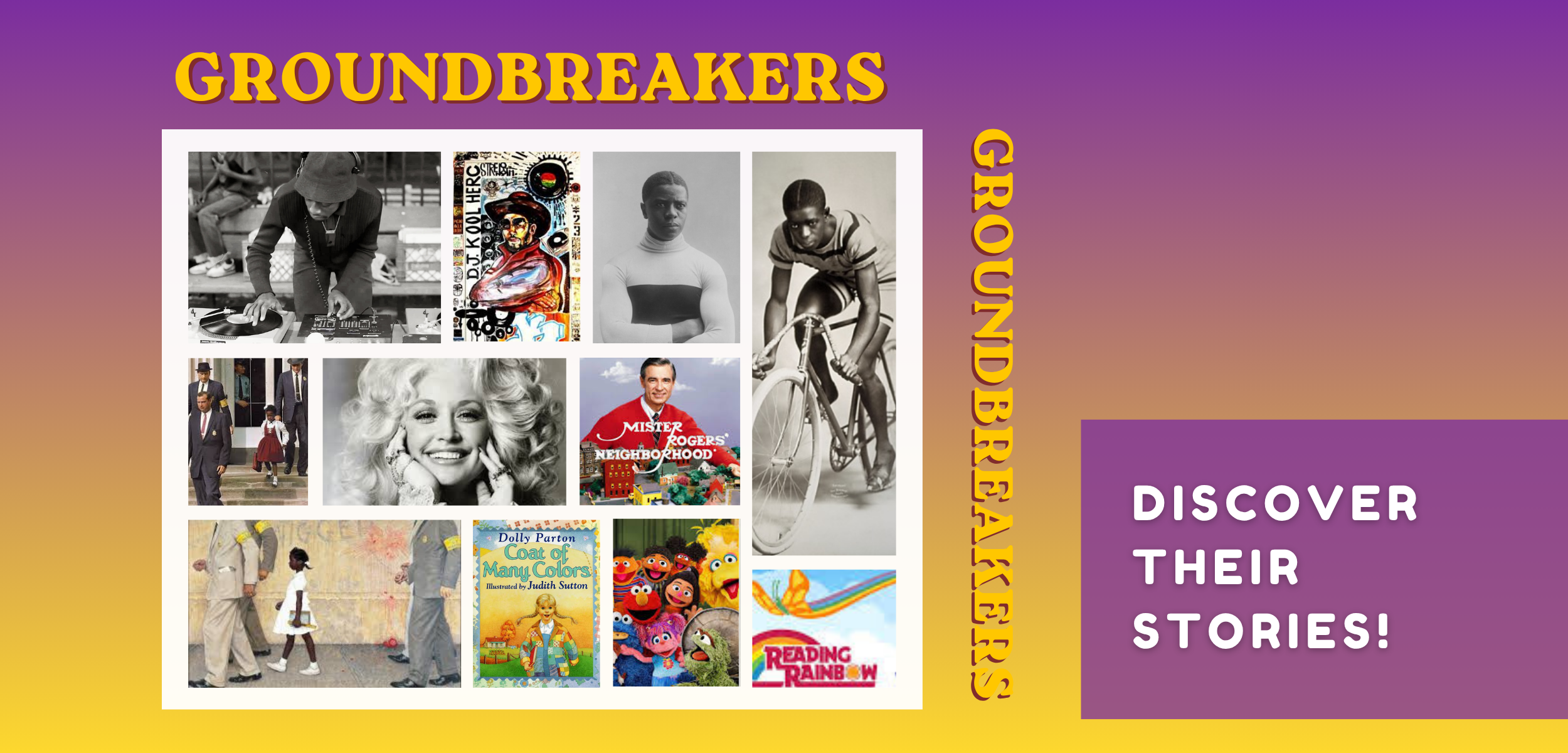
“Believe in Yourself”
In the late 1960s and beyond, public television changed the way children learned at home. Shows like Sesame Street, Mister Rogers’ Neighborhood, and Reading Rainbow were designed to make learning fun, kind, and accessible for all kids. They used songs, stories, and friendly characters to teach letters, numbers, emotions, and how to treat others with respect.
These programs were groundbreaking because they reached millions of children, including those who might not have had access to preschool or books. They showed that television could be more than entertainment—it could be a powerful classroom. By focusing on inclusion, creativity, and curiosity, these shows helped generations of kids feel seen, heard, and excited to learn.
PBS Educational Programs: Learning Through Television
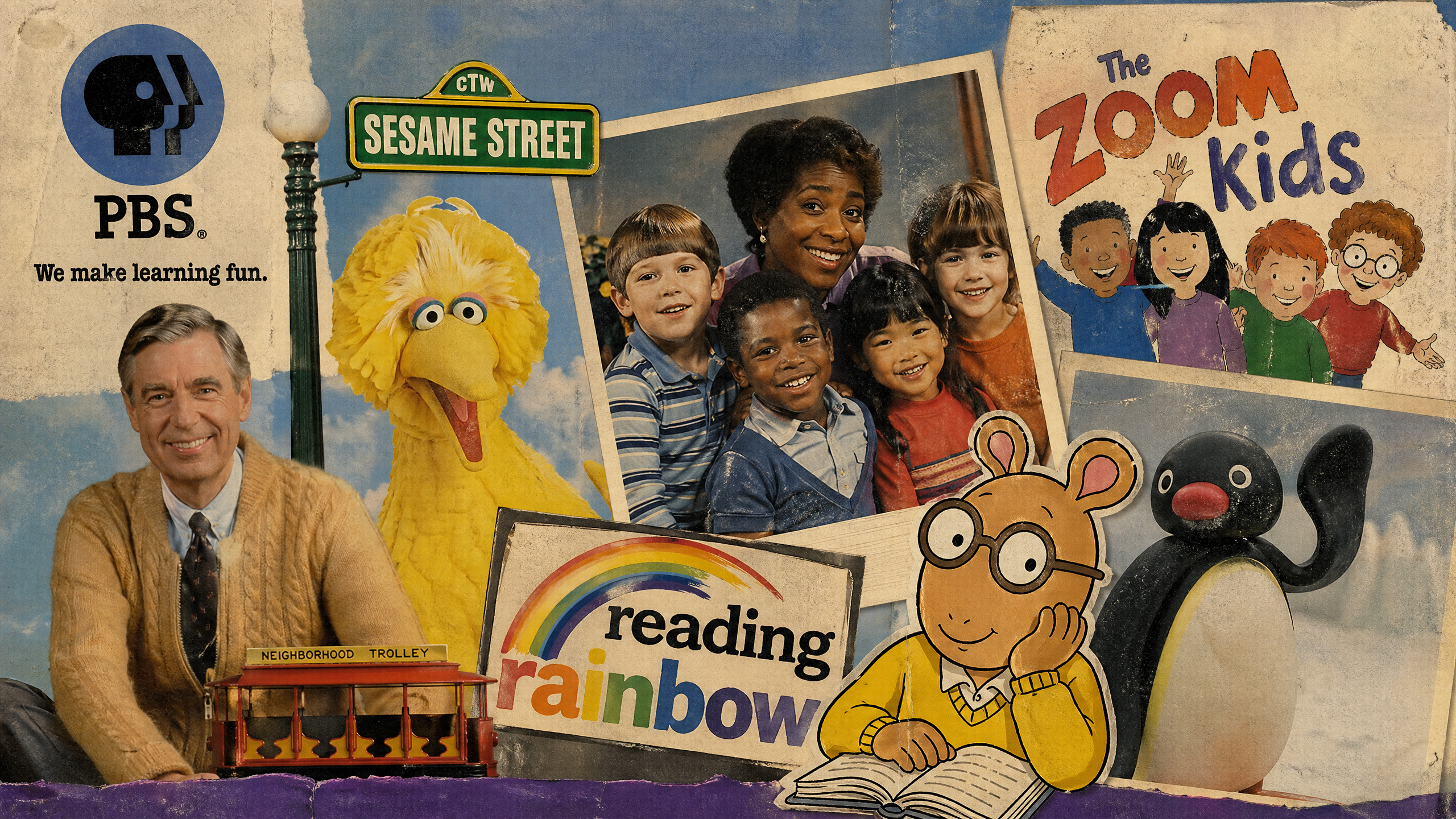
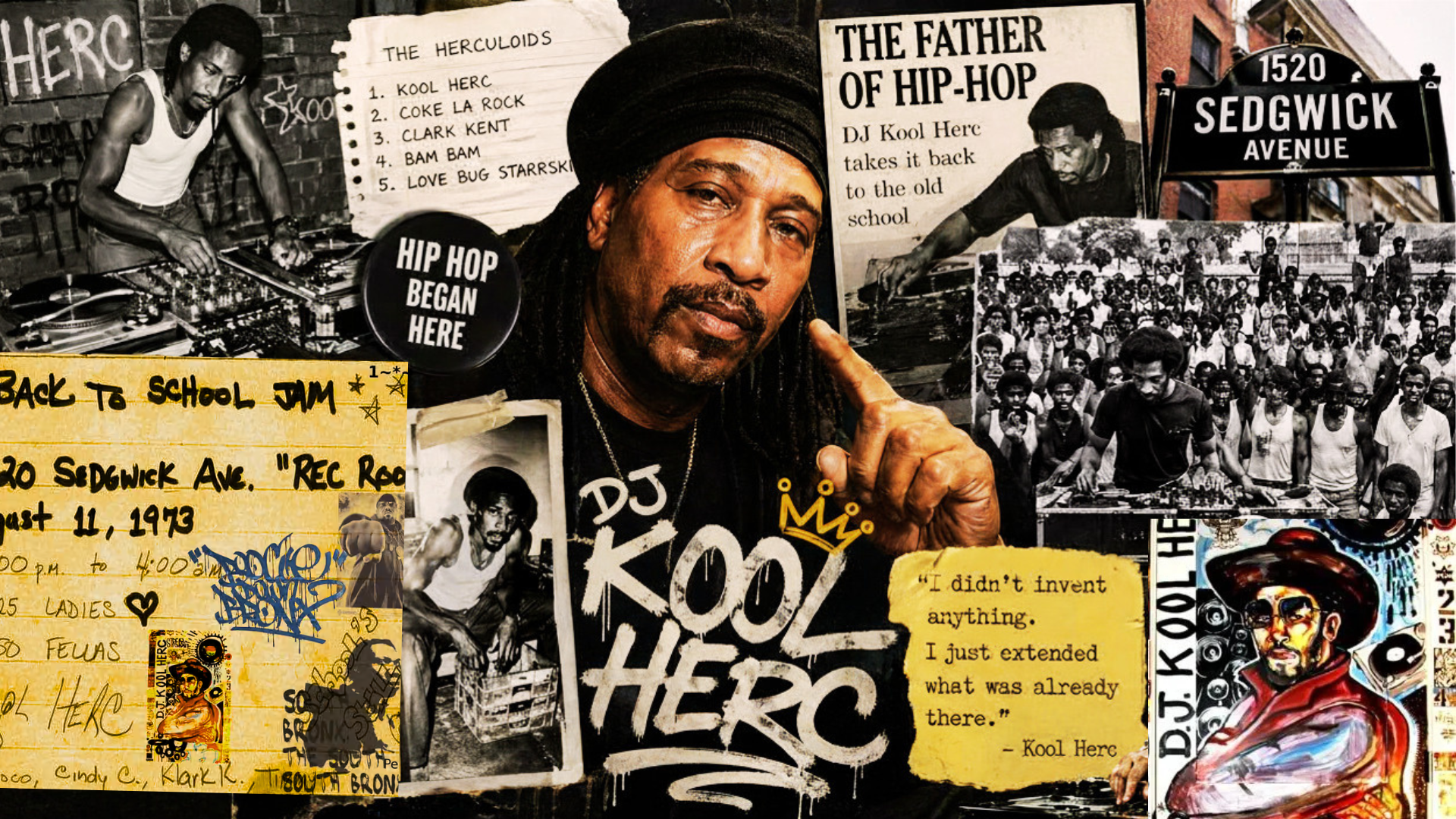
“First Party”
DJ Kool Herc helped start something completely new in the 1970s in the Bronx, New York. At neighborhood parties, he noticed that dancers loved the “break” in songs—the instrumental part where the beat shines. By using two turntables, he extended those breaks, creating a new sound that got people moving and excited.
This innovation sparked the beginning of hip-hop culture, which grew to include DJing, rapping, breakdancing, and graffiti art. More than music, hip-hop became a way for people to express their stories, struggles, and creativity. DJ Kool Herc’s idea shows how one person’s creativity can grow into a worldwide movement that connects people across cultures.
DJ Kool Herc: The Birth of Hip-Hop
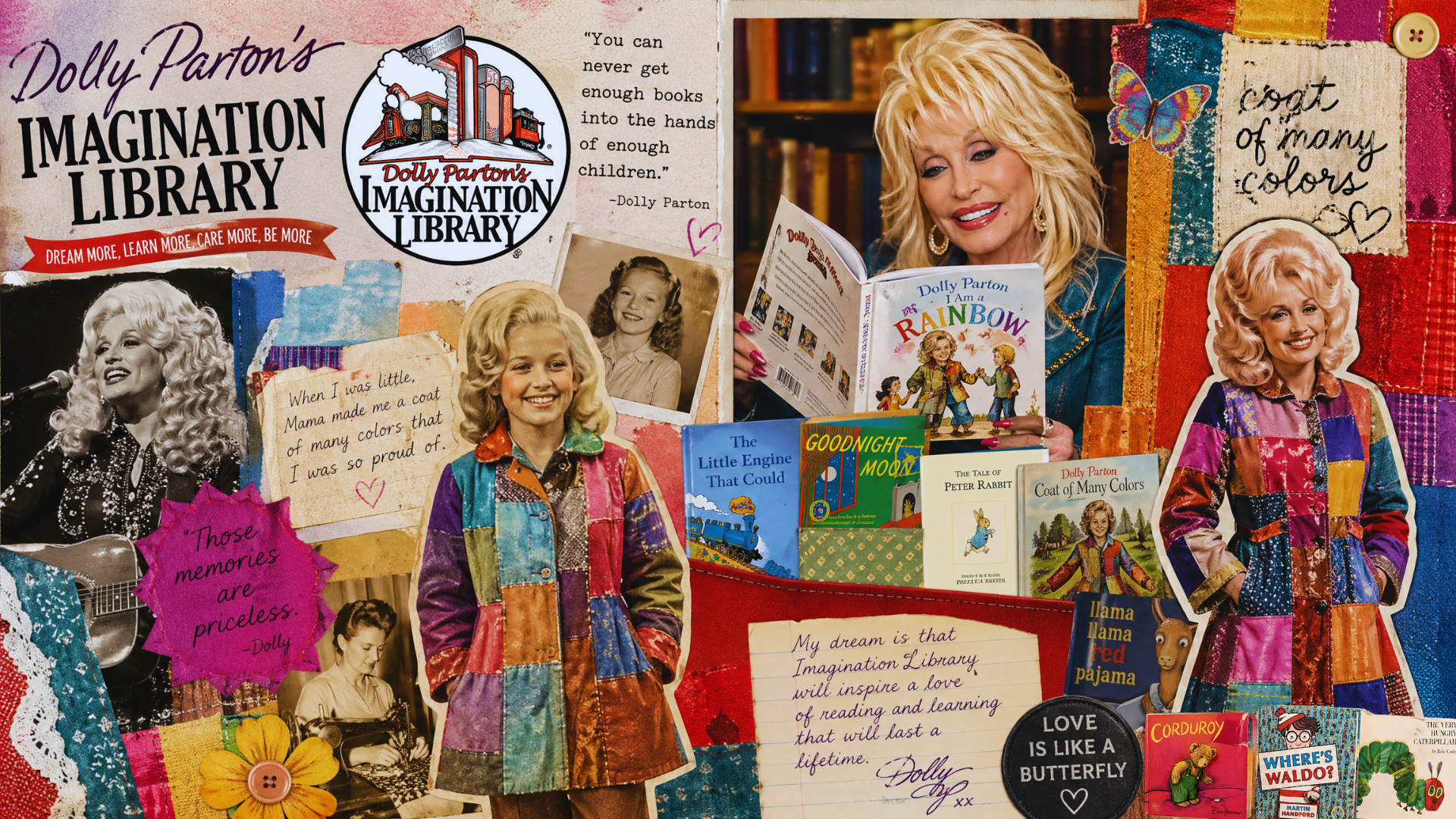
“9 to 5”
Dolly Parton is one of the most beloved figures in music, known for her warm personality and powerful storytelling. Her song Coat of Many Colors shares a childhood memory about a coat her mother made from scraps of fabric. Though others teased her, Dolly learned that love and pride matter more than material things—a message that continues to inspire listeners of all ages.
In addition to her music career, Dolly Parton created the Imagination Library, which sends free books to children from birth to age five. This program has helped millions of kids build home libraries and fall in love with reading. Her life shows that success isn’t just about fame—it’s about using your voice to lift others up.
Dolly Parton: Music, Stories, and Giving Back
“Major Taylor”
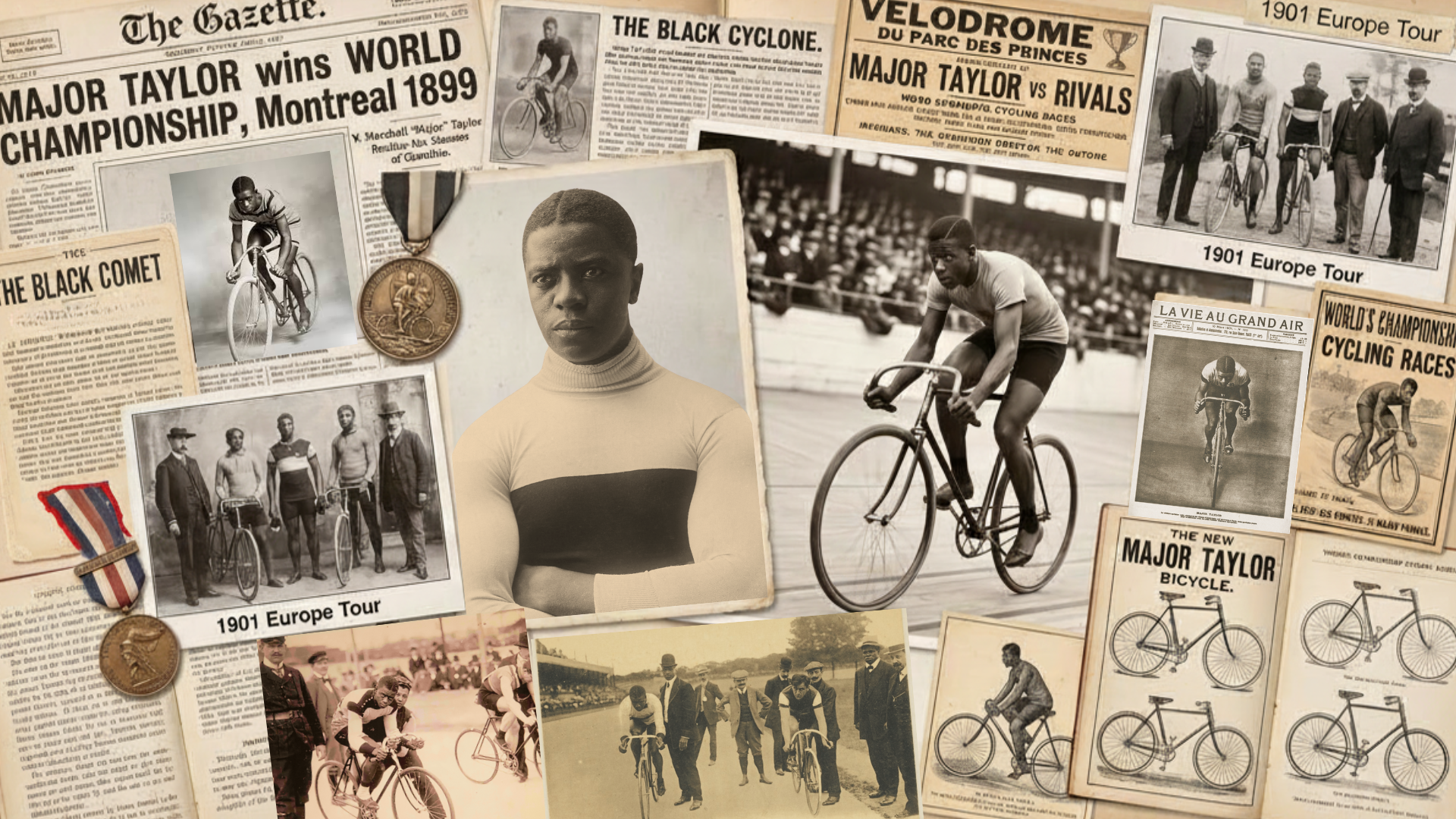
Major Taylor—born Marshall Walter Taylor—had a deep connection to Indianapolis, where he rose from a working-class youth to become one of the greatest cyclists in the world during the late 1800s and early 1900s. Because of his incredible speed on the track, he earned the nickname “The Black Comet,” as he seemed to fly past his competitors like a streak across the sky. His talent and determination made him one of the first Black international sports superstars at a time when opportunities were extremely limited.
Major Taylor didn’t just win races—he made history. In 1899, he became the world champion in sprint cycling, a huge achievement that brought him fame around the globe. Crowds came to watch him compete, amazed by his skill, discipline, and focus. Despite facing racism, unfair rules, and even threats from other racers, he continued to compete with courage and dignity.
His success helped change how people viewed athletes and opened doors for future generations. Major Taylor showed that excellence can break barriers and inspire others to dream bigger. Today, he is remembered not only as a champion cyclist but as a trailblazer who proved that greatness belongs to everyone willing to work for it.
His legacy in Indianapolis continues today through landmarks such as the Major Taylor Velodrome and the Major Taylor Trail, which honor his impact on both the sport of cycling and the cultural history of our city.
Major Taylor: The “Black Comet” and a True Pioneer
“Coal Miners”
Coal miners played a vital role in building modern cities and industries. By working deep underground, often in dark and dangerous conditions, they provided the coal that powered trains, heated homes, and fueled factories during key periods of growth.
Their hard work helped create the infrastructure that many communities depend on today. Miners also built strong bonds with one another, supporting their families and towns through difficult labor. Their story reminds us that behind every growing city are hardworking people whose efforts make progress possible.
Powering Our Communities

“The Times They Are a Changin”
Bob Dylan is one of the most influential songwriters in modern history. Emerging in the early 1960s, he became known for blending folk music with powerful, poetic lyrics that spoke about real-world issues. At a time when many songs were mostly about romance, Dylan wrote about fairness, freedom, war, and change—giving young people a new way to think about music and its purpose.
His song The Times They Are a-Changin’ became an anthem for a generation that was questioning old systems and pushing for progress. Leaders, students, and activists all found meaning in his words, which encouraged people to stand up for justice and not be afraid of change. Dylan’s music helped show that art can be a powerful tool for speaking truth and inspiring action. His influence continues today, reminding us that one voice, when used with honesty and courage, can reach millions and help shape history.
Bob Dylan: A Voice That Helped Shape a Generation

“Ruby Bridges and the Children’s March”
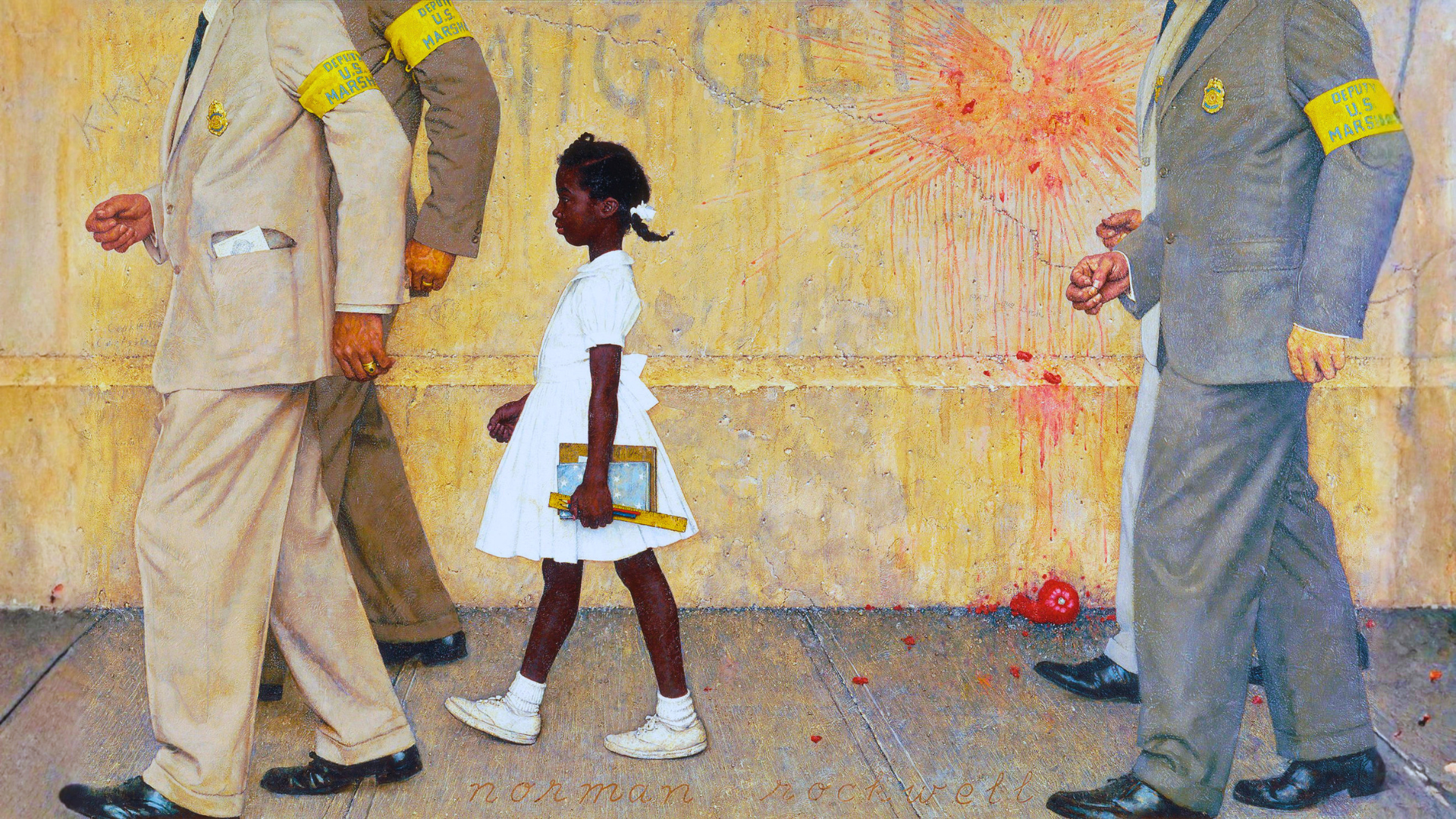
Ruby Bridges was just six years old in 1960 when she became one of the first Black children to attend an all-white elementary school in New Orleans. Every day, she walked past angry crowds shouting at her, escorted by federal marshals for safety. Inside the school, many parents pulled their children out, and for a long time Ruby was the only student in her class. Still, she showed incredible bravery by continuing to attend school each day, determined to learn.
Ruby’s courage became a powerful symbol of the fight to end segregation in schools. Her story showed the world that even the youngest individuals can make a big impact. By simply walking through those school doors, she helped challenge unfair laws and inspired others to continue the push for equal rights. Her experience is often remembered as a turning point that helped bring national attention to the importance of integration and education equality.
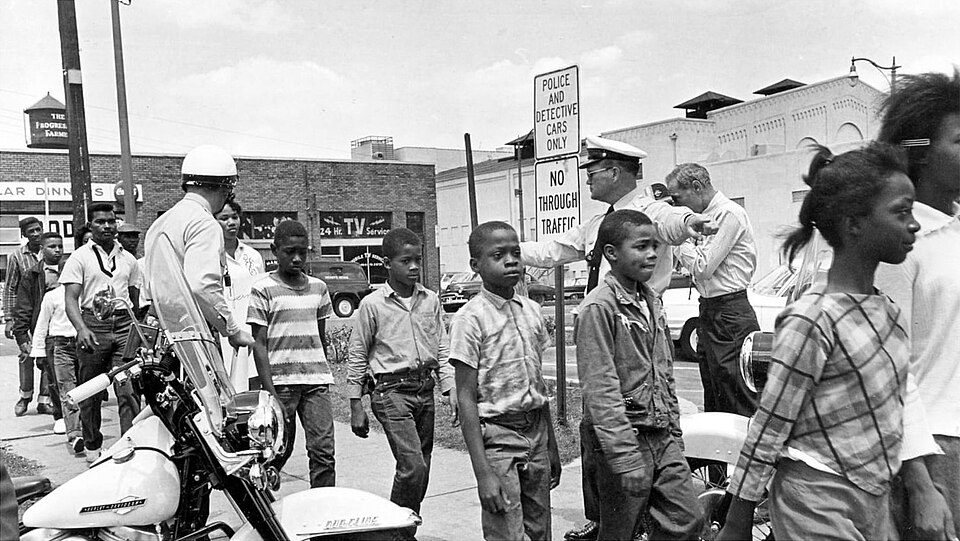
Just a few years later, in 1963, thousands of young people in Birmingham, Alabama, took part in the Children’s Crusade, also known as the Children’s March. This movement began when civil rights leaders, including James Bevel, recognized that many adults risked losing their jobs if they protested. Young people, however, were willing to step forward. They were trained in nonviolent protest—learning how to remain peaceful even when faced with anger or danger.
When the march began, children and teenagers left their schools and gathered to peacefully protest segregation. Many were arrested, and the jails quickly filled. As more children joined, the movement grew stronger. Images and news coverage showed the harsh treatment these young protesters faced, including fire hoses and police dogs. These images shocked the nation and the world, helping more people understand the urgency of the civil rights movement.
Together, the bravery of Ruby Bridges and the children of Birmingham showed that young voices could not be ignored. Their actions helped build momentum for major changes, including the passage of the Civil Rights Act of 1964. Their stories remind us that courage does not depend on age—and that standing up for what is right can truly change history.
Young People Leading Change

“Land of a Thousand Dances”
The disability community is made up of people with many different experiences, talents, and ways of moving through the world. Leaders like Judy Heumann and Ed Roberts helped lead a movement that pushed for equal access to schools, transportation, jobs, and public spaces. Because of their work and the work of many others, important changes were made—like ramps, elevators, closed captions, and inclusive classrooms—so that more people can fully participate in everyday life.
But the story of the disability community is not only about laws and access—it is also about joy, creativity, and connection. When people of all abilities come together, they build communities where everyone belongs. Inclusive spaces—whether in classrooms, sports, or the arts—allow people to share their unique strengths. Togetherness brings understanding. It helps people see each other not for limitations, but for possibilities. Friendships grow stronger when everyone is included, and communities become more vibrant when different perspectives are welcomed. When we make space for everyone, we create a world filled with more kindness, creativity, and joy.
Disability Community: Strength, Joy, and Belonging

“Rise Up”
Across generations, women have built powerful networks of support, creativity, and leadership. Their strength is not defined by any single role but by their ability to rise, adapt, and bring others along. In every space—schools, communities, workplaces, and the arts—women continue to challenge limits, share knowledge, and open doors that once seemed closed.
This power grows even stronger when it is shared. When women support one another, they create momentum—turning ideas into action and dreams into reality. Encouragement becomes confidence. Collaboration becomes innovation. One voice becomes many. These connections form a lasting foundation where people feel seen, valued, and inspired to keep going.
The energy of women uplifting women is bold, creative, and transformative. It fuels movements, shapes culture, and builds a future rooted in possibility. It reminds us that true power is not just about rising—it’s about lifting others as you rise, creating a world where everyone has the chance to thrive.
Women Lifting Each Other Up

Be Inspired!
As we celebrate these groundbreakers—and so many more—we are invited to follow their example. You don’t have to be famous to make a difference. By being curious, kind, and courageous, you can help build a brighter future. The world is always changing, and you have the power to be part of that change.